Recoleta: The Posh Bit (and Whether You'd Actually Want to Live There)
Recoleta has the grand buildings, the famous cemetery, and an air of old money. Some Brits love the elegance. Others find it a bit stiff. Here's the honest take.
 Rosie CarterWriter · Palermo, Buenos Aires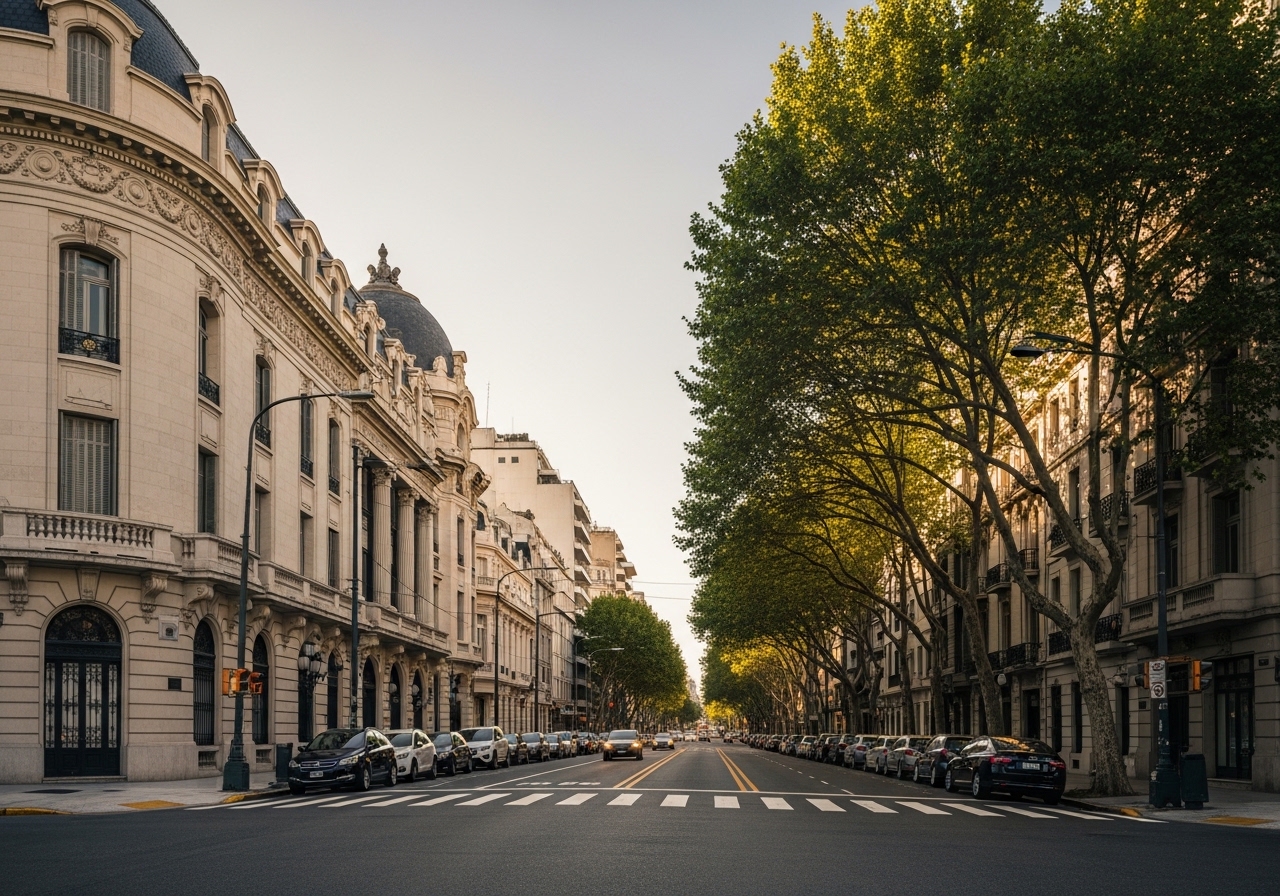
Recoleta looks like Paris had a baby with Madrid and then nobody redecorated since 1920. That's the appeal.
Recoleta sits just south of Palermo and shares some of the same tree-lined elegance, but the vibe is distinctly different. Where Palermo draws the creative-professional crowd with cocktail bars and street art, Recoleta draws money — old money, diplomatic money, and the kind of people who dress properly to go to a café.
The Architecture
Walk down Avenida Alvear or along the side streets near the Cementerio de la Recoleta and you'll understand why people compare Buenos Aires to Paris. The buildings here are properly beautiful — ornate facades, wrought-iron balconies, lobbies with marble floors and ancient lifts operated by uniformed porteros. This is Argentine grandeur at its peak, dating mostly from the late 1800s when the country's wealth was concentrated in a tiny landed elite who wanted their capital to look European.
The downside: many of these buildings are gorgeous on the outside and crumbling on the inside. Plumbing from the 1940s, dodgy electrics, lifts that make alarming noises. When flat-hunting in Recoleta, the gap between the grand entrance and the actual flat can be... significant.
Daily Life
Recoleta is quieter than Palermo. The restaurants close earlier, the streets empty sooner, and the general demographic skews older and more conservative. For some Brits — particularly retirees or couples without children — this is exactly what they want. The chaos of Palermo Soho at midnight gets old if you're not 28.
Shopping: Avenida Santa Fe has the chain shops. The Patio Bullrich and Recoleta Mall are the upscale options. For groceries, there's a good Jumbo supermarket on Av. Bullrich and the usual Carrefour Express network.
Cafés: La Biela (opposite the cemetery, under the famous rubber tree) is the classic Recoleta café — pricey, touristy, but historically significant. Roux and Cosi Mi Cosi are better for actual good coffee. Classica y Moderna on Av. Callao combines a bookshop with a café and live music — one of the great Buenos Aires institutions.
The cemetery: Yes, the Cementerio de la Recoleta is in a cemetery. It sounds morbid but it's actually one of the most excellent places in Buenos Aires — a city of mausoleums where you can find Evita's grave alongside 19th-century presidents. Worth visiting once as a newcomer, then again whenever you have visitors from the UK.
The Weekend Market
Every weekend, Plaza Francia (next to the cemetery) hosts a craft market that spreads across the lawns and pathways. It's good — local artisans selling leather, silver, textiles, and ceramics alongside food stalls and live musicians. Less touristy than the San Telmo Sunday market, with a more relaxed, family-friendly atmosphere. Sunday afternoon at the Recoleta market with a coffee and a choripán is a proper Buenos Aires experience.
Who Actually Lives Here
Recoleta's residents are predominantly upper-middle-class Argentines, embassy staff (several embassies are on Av. del Libertador), and a smattering of international professionals and retirees. The British presence is smaller than in Palermo but tends to be longer-established — people who moved years ago and chose Recoleta for the quiet elegance.
The social scene is more formal. You're less likely to bump into fellow expats at a random bar and more likely to meet people through cultural institutions, embassy events, or specific interest groups. If you prefer structured social environments over the organic chaos of Palermo's bar scene, Recoleta might suit you better.
Practical Bits
Rent: A 2-bed in Recoleta runs ARS 500,000–800,000/month (£330–530). You'll get more period character (high ceilings, parquet floors) but potentially less modern amenity than the same money in Palermo.
Transport: The H line (yellow) Subte runs through Recoleta at Las Heras and Facultad de Derecho. Multiple bus routes along Santa Fe and Callao. Walking distance to Palermo for anything Recoleta lacks.
Safety: Excellent. One of the safest barrios in the city. Standard phone-awareness applies but this is comfortable territory at all hours.
Frequently Asked Questions
How does Recoleta compare to Palermo for British expats?
Recoleta is quieter, more architecturally grand, and more conservative. Palermo has better nightlife, restaurants, and a younger international crowd. Recoleta rent is 15-25% higher for comparable space. Recoleta suits couples and retirees who want elegance and quiet. Palermo suits younger professionals and newcomers who want social energy.
Is Recoleta expensive to live in?
By Buenos Aires standards, yes — Recoleta and Palermo Chico are the priciest residential barrios. A two-bedroom flat runs £330–530/month. By London standards, obviously absurdly cheap. The premium buys you grand architecture and a quiet, safe neighbourhood rather than modern amenities or restaurant density.
Sources & Links
You Might Also Like
 Neighbourhoods
Palermo: The Neighbourhood Most Brits End Up In (and Why)
If you had to pin Palermo onto London, it sits somewhere between Shoreditch and Notting Hill: the cafés and tattoo shops of one, the tree cover and the dog walkers of the other, without the price tag of either.
Read article → Neighbourhoods
Belgrano: The Quieter Alternative (Perfect for Families)
Think of Belgrano as the Richmond of Buenos Aires — residential, green, excellent schools, and a twenty-minute Subte ride to the centre.
Read article → Neighbourhoods
San Telmo: For Brits Who Want the Real Buenos Aires
San Telmo is where the Buenos Aires you imagined actually exists — the tango, the cobblestones, the hole-in-the-wall parrillas.
Read article →