Palermo: The Neighbourhood Most Brits End Up In (and Why)
Palermo is where most British expats land first — and many never leave. Tree-lined streets, great restaurants, and an international vibe that makes the transition easier.
 Rosie CarterWriter · Palermo, Buenos Aires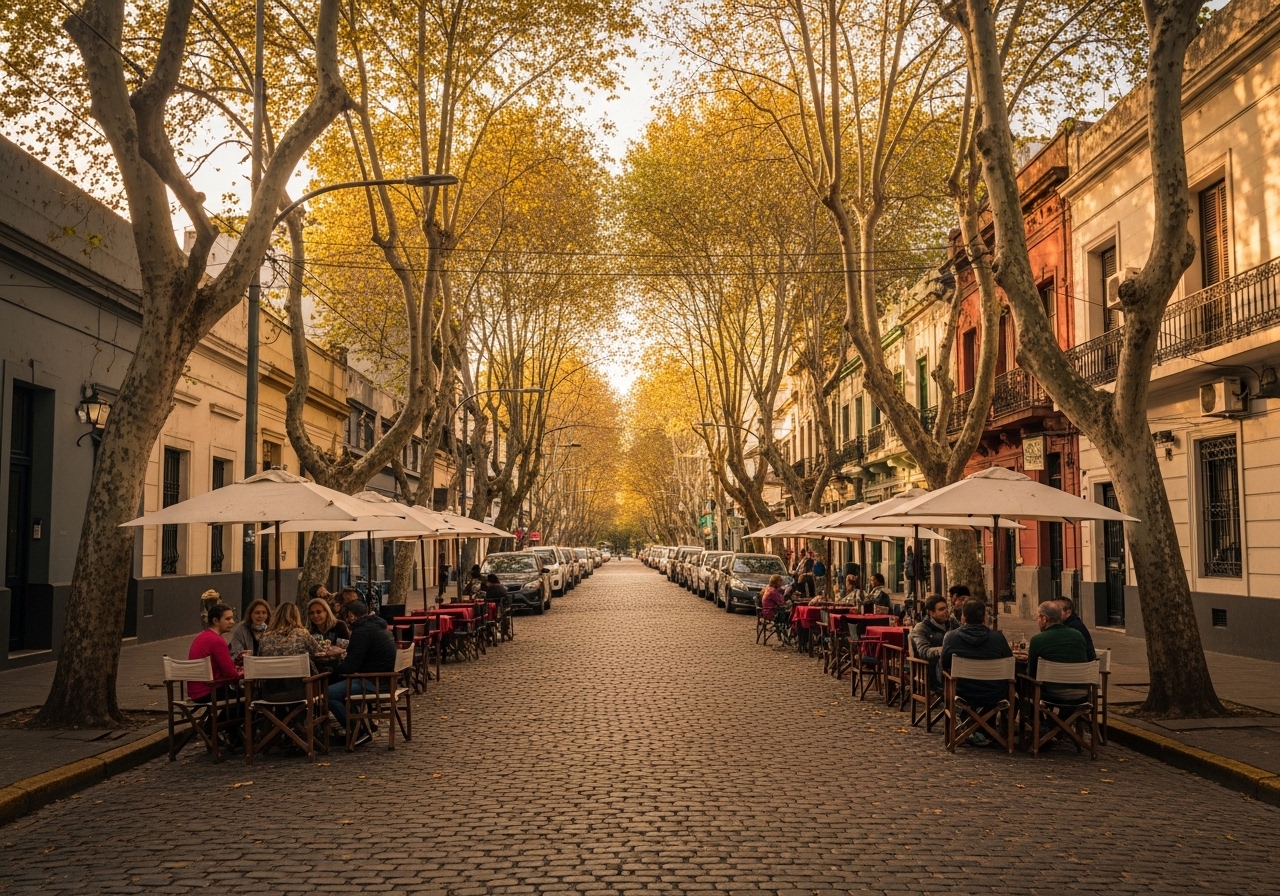
The first thing you notice about Palermo is the trees. Then the restaurants. Then the fact that everyone seems to be walking a dog.
Palermo is where the vast majority of British expats start their Buenos Aires life, and there's a reason for that. It's safe, walkable, stuffed with excellent restaurants and bars, well-connected by Subte (the D line runs through it), and has the highest concentration of English speakers outside the microcentro business district.
The Sub-Zones of Palermo
Palermo is enormous — the biggest barrio in Buenos Aires — and locals divide it into informal sub-zones that have genuinely different characters.
Palermo Soho (roughly between Av. Santa Fe, Av. Scalabrini Ortiz, Av. Córdoba, and Av. Juan B. Justo): This is the heart of hipster Buenos Aires. Independent boutiques, design shops, street art, and an remarkable density of restaurants. Plaza Serrano (officially Plaza Cortázar) is the social centre — surrounded by bars and craft stalls on weekends. If you want to be in the middle of things, this is your spot. The downside: it's the most touristic part of Buenos Aires and can feel performative.
Palermo Hollywood (north of Av. Juan B. Justo, around the railway tracks): Named for the TV production studios based here, Hollywood has a slightly grittier energy than Soho. More bars and nightlife, less boutique shopping. The restaurants are excellent and slightly less overpriced than Soho. Good value for the quality of life.
Palermo Chico (between Av. del Libertador, Av. Figueroa Alcorta, and the park): The posh end. Embassy row, gated mansions, MALBA (the contemporary art museum). It's beautiful and quiet but not where most expats live — rental prices are higher and there's less street-level social life.
Palermo Viejo (the older residential streets between Soho and Hollywood): Quieter, more residential, genuinely lovely tree-lined streets with lower-rise buildings. This is where many longer-term expats end up — close enough to walk to Soho's restaurants but without the noise and foot traffic.
Palermo Nuevo / Palermo Pacífico (around the railway stations): More residential, less polished, but authentic neighbourhood feel. Good value rentals and proximity to the Jardín Botánico and Parque Tres de Febrero (the enormous, beautiful park system that locals just call "Bosques de Palermo").
What to Expect as a British Newcomer
The shift into Palermo from a UK city is gentler than you would think. The Shoreditch comparison is a cliché but it is also accurate — you will find the same kind of cocktail bars, the same kind of design studios, the same kind of 32-year-old in a linen shirt writing a pitch deck in a café. A few things are genuinely different, though:
- Everything is cheaper by a factor you will keep doing the maths on for weeks. A £12 Shoreditch cocktail is £2 or £3 here, and dinner for two with wine lands under twenty quid.
- Argentine beef is not a marketing line. It really is the best you have ever eaten, and after a month you will stop being able to enjoy steak anywhere else.
- The clock runs late. Dinner is 9pm. The weekend does not start until midnight. Lunch on a Sunday takes four hours and no one is in a hurry.
- Dogs are everywhere. Palermo has more dogs per square metre than most British villages have residents, and you will learn to sidestep without looking.
Where to Eat and Drink
A few places that'll make you feel at home while being distinctly Argentine:
For a proper coffee: Cuervo Café (Thames and Honduras) — specialty coffee that rivals anything in Soho London. Lattente on Uriarte is another strong choice.
For a Sunday roast substitute: La Cabrera (Cabrera and Thames) — the steak and chips equivalent that becomes your new Sunday ritual. Book ahead.
For drinks: Florería Atlántico (Arroyo 872, technically in Retiro but every Palermo expat goes there) — a speakeasy behind a flower shop. Negroni on Av. Alvear for classic cocktails.
For a pub night: The Gibraltar (San Telmo, not Palermo, but every Brit in BA knows it) — quiz nights, football, and a crowd that's half Argentine, half international.
Markets: The Mercado de Pulgas (flea market) on Dorrego is Sunday morning gold. For proper food shopping, Barrio Chino (the small Chinatown on Arribeños) has the best selection of Asian ingredients and affordable fresh produce.
Practical Considerations
Rent: Palermo is the most expensive barrio for rentals, but context matters. A two-bedroom apartment with a balcony in Palermo Soho runs ARS 500,000–700,000/month (£330–470). That's the price of a single room in a London flatshare.
Transport: Subte Line D (green) runs through Palermo with stops at Bulnes, Scalabrini Ortiz, Plaza Italia, and Palermo. It connects directly to the centre. Bus routes are extensive — the 39, 55, 111, and 152 all serve different parts of the barrio.
Safety: Palermo is one of the safest barrios in Buenos Aires. Standard urban precautions apply — don't walk staring at your phone, keep valuables out of sight — but violent crime is rare. The main risk is phone snatching, especially around Soho's tourist streets.
The parks: Bosques de Palermo (a 400-hectare park system) is a genuine treasure — think Hyde Park but wilder, with rowing lakes, a Japanese garden, a planetarium, and running paths. It's the reason many people choose Palermo over all other barrios.
The Expat Bubble Question
If we're being honest, Palermo makes it very easy to live in an English-speaking bubble. You can eat at restaurants with English menus, shop at stores where staff speak English, and socialise primarily with other expats and English-speaking Argentines. Many newcomers do exactly this for the first few months, and that's fine — the transition is smoother when your environment is familiar.
But most people who stay longer than a year find that the bubble gets claustrophobic. The richest experiences in Buenos Aires — the friendships, the culture, the humour — are in Spanish. Palermo is the best launchpad for your Argentine life, but it shouldn't be the whole of it.
Frequently Asked Questions
Is Palermo the best neighbourhood for British expats in Buenos Aires?
For newcomers, yes — Palermo offers the smoothest transition with its international vibe, widespread English, excellent restaurants, and safe streets. However, some longer-term expats prefer Belgrano (quieter, more residential), Recoleta (elegant, cultural), or San Telmo (artistic, historic) once they've settled in and want a more distinctly Argentine experience.
How much is rent in Palermo Buenos Aires?
A two-bedroom apartment in Palermo runs ARS 450,000–700,000/month (roughly £300–470 at the blue dollar rate). Palermo Soho and Hollywood are the priciest; Palermo Viejo and Nuevo offer better value. Even at the top end, it's a fraction of London rent for significantly more space.
Is Palermo safe for walking at night?
Yes — Palermo is one of the safest barrios in Buenos Aires. The main streets (Thames, Honduras, Gorriti, Armenia) are busy with restaurants and bars until late. Standard precautions apply: keep your phone in your pocket, avoid poorly lit side streets very late at night, and use taxi apps rather than flagging cars.
Sources & Links
You Might Also Like
 Neighbourhoods
Belgrano: The Quieter Alternative (Perfect for Families)
Think of Belgrano as the Richmond of Buenos Aires — residential, green, excellent schools, and a twenty-minute Subte ride to the centre.
Read article → Neighbourhoods
San Telmo: For Brits Who Want the Real Buenos Aires
San Telmo is where the Buenos Aires you imagined actually exists — the tango, the cobblestones, the hole-in-the-wall parrillas.
Read article →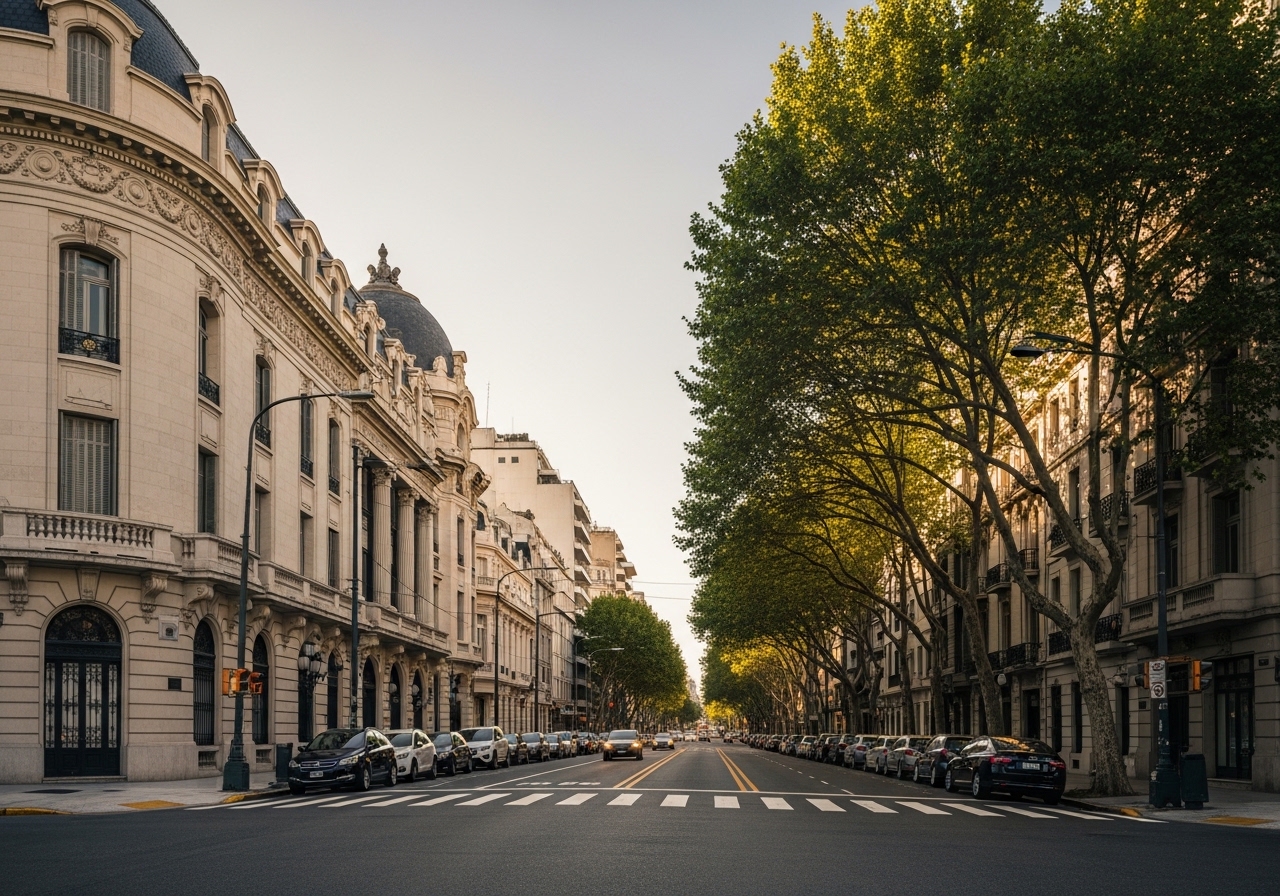 Neighbourhoods
Recoleta: The Posh Bit (and Whether You'd Actually Want to Live There)
If Palermo is Shoreditch and Belgrano is Richmond, Recoleta is Kensington — beautiful, expensive, and slightly up itself.
Read article →